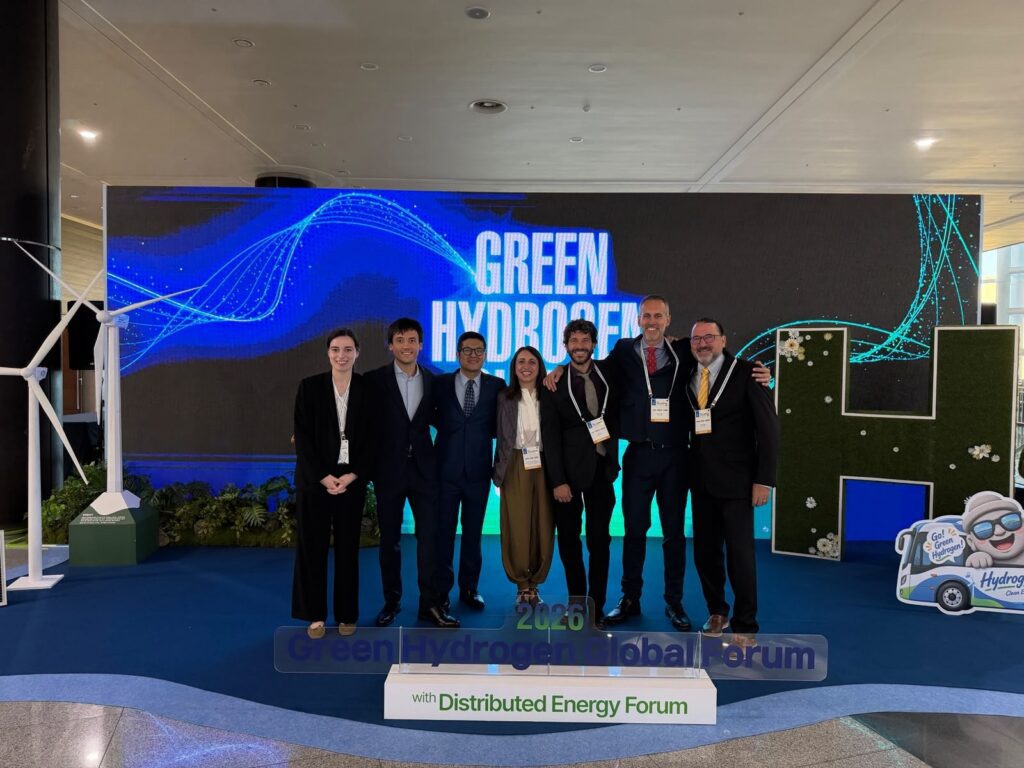
A delegation of researchers from the H2CAT Network is taking part these days in a mission to Jeju (South Korea) organized by the Government of Catalonia to present Catalan capabilities in hydrogen technologies and explore new avenues for collaboration with the Asian country, under the European IURC project (International Urban and Regional Cooperation). The H2CAT Network, coordinated by Eurecat, is part of this project, and the mission counts on the institutional collaboration of the Department of Research and Universities and ACCIÓ.
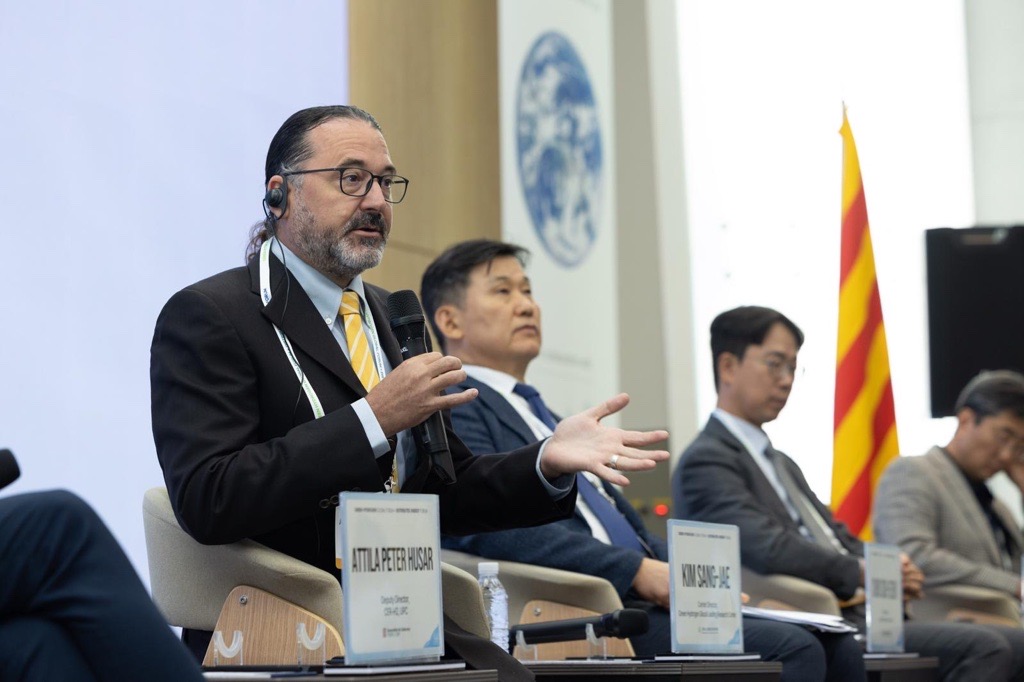
Four researchers from the network are taking part: Lluís Soler, Attila Husar and Lluc Canals, from CER-H2 UPC, and Roger Miró, from Eurecat.
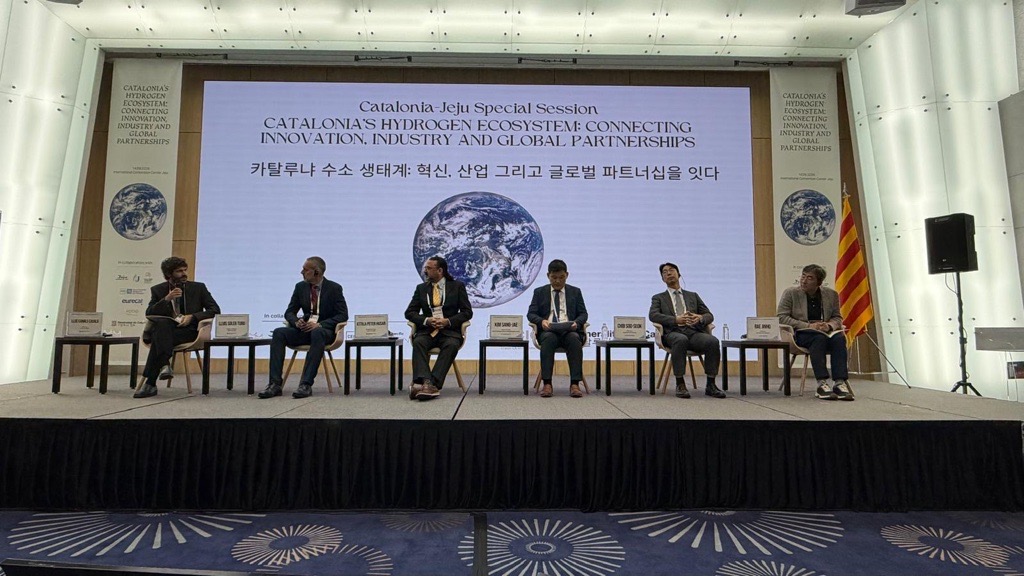
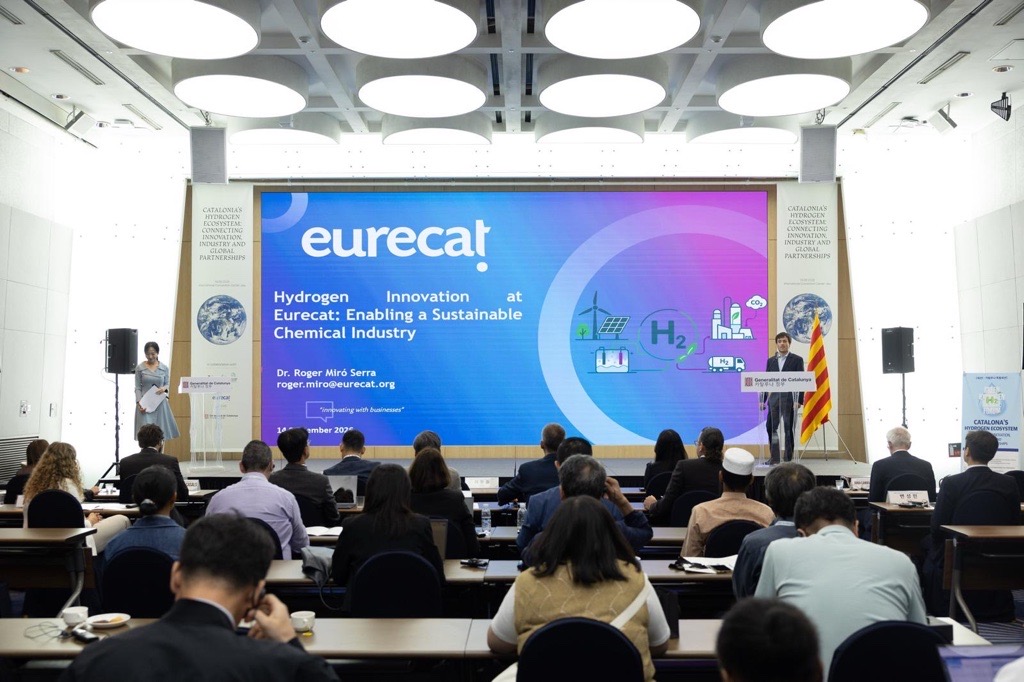
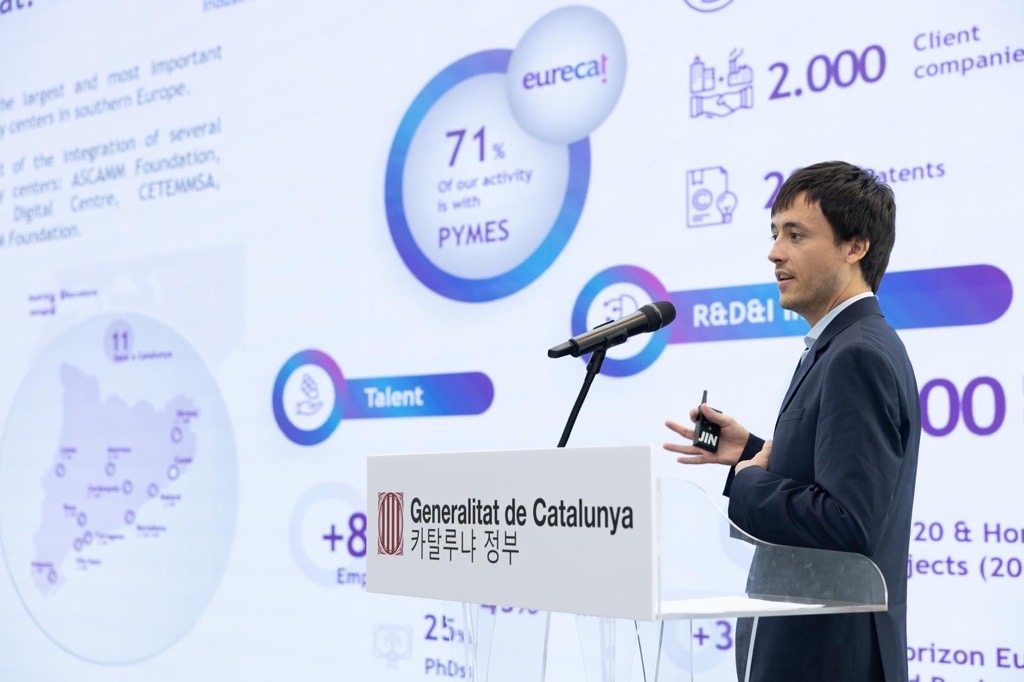
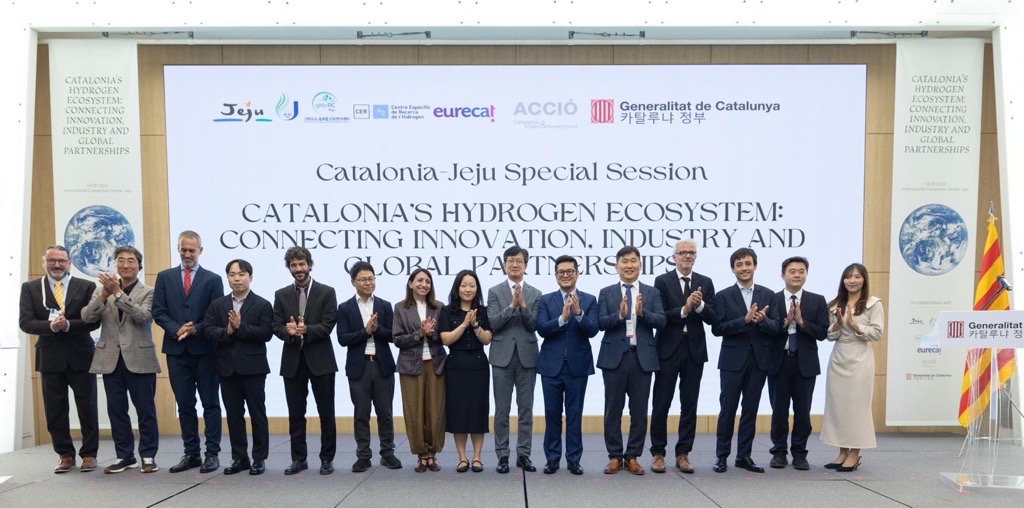
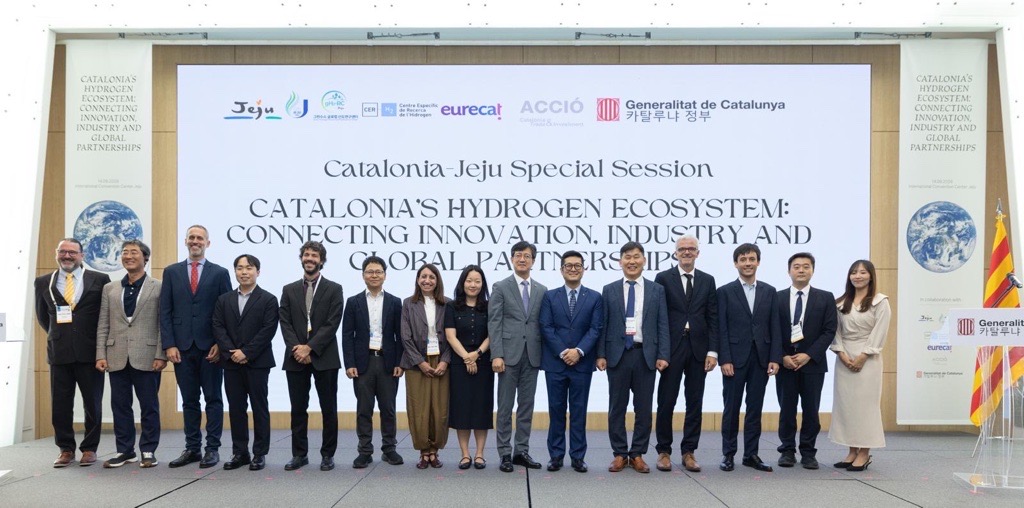
The Catalan delegation began its agenda today, 14 September, with the session “Catalonia’s Hydrogen Ecosystem: Connecting Innovation, Industry and Global Partnerships”, organized by the Government of Catalonia and ACCIÓ at the International Convention Center in Jeju (ICC Jeju), as part of the Green Hydrogen Global Forum 2026. The meeting brought together institutional and academic representatives from both countries to present Catalonia’s hydrogen ecosystem, which comprises 198 companies, a turnover of around €699 million and roughly 2,300 jobs, and to identify opportunities for collaboration in R&D, mobility and infrastructure.
During the day, Lluc Canals Casals, Attila Husar and Lluís Soler Turu, director, deputy director and secretary of CER-H2 UPC respectively, and Roger Miró Serra, an Eurecat researcher in hydrogen and decarbonization technologies, presented their projects and capabilities in dedicated sessions and in the round table “Catalonia-Jeju Research Collaboration: Global Networking and Joint R&D Opportunities”, where they shared the stage with representatives from the Jeju University.
Over the coming days, the Catalan delegation will take part in the EU IURC special international cooperation session (15 September), focused on a two-phase hackathon to identify hydrogen demand challenges among the seven regions that make up the CoP3 Community of Practice, comprising Catalonia, Île-de-France, Osaka, Christchurch, Taranaki, Jeju and Chungcheongnam-do, and will visit reference facilities on the island, including the 3.3 MW green hydrogen production plant and a hydrogen refuelling station (16 September).
Through this mission, the H2CAT Network reinforces its international outlook and opens a new avenue for collaboration with a country of great innovative potential such as South Korea, while consolidating its institutional collaboration with the Department of Research and Universities and ACCIÓ to project Catalan talent and hydrogen capabilities beyond Europe’s borders.