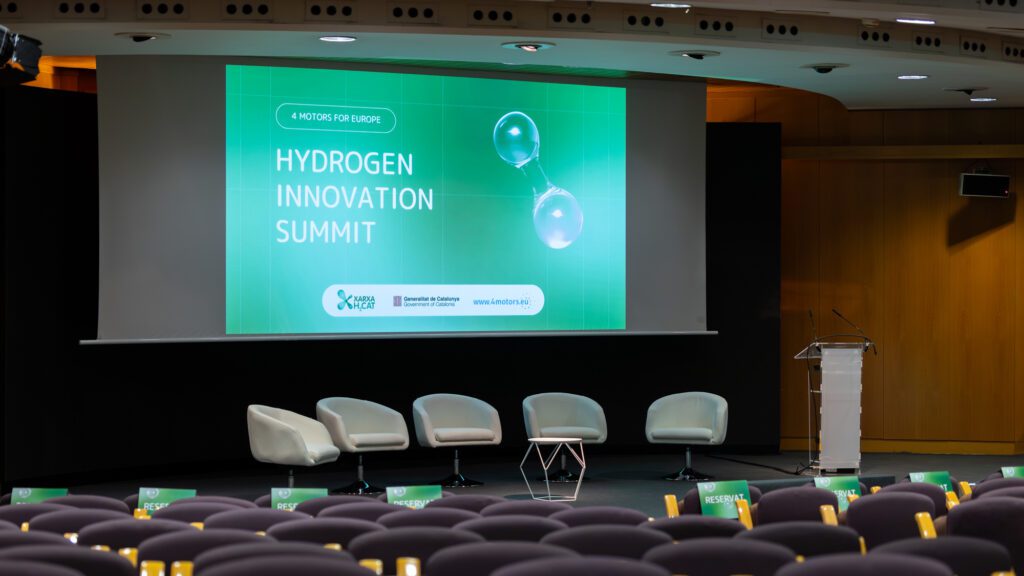
On November 12 and 13, Barcelona and Tarragona hosted the 4 Motors for Europe – Hydrogen Innovation Summit, an international meeting on hydrogen innovation organized by the H2CAT network and the Government of Catalonia, under the leadership of the Department of Research and Universities, with the support of the Department for European and Foreign Affairs and ACCIÓ.
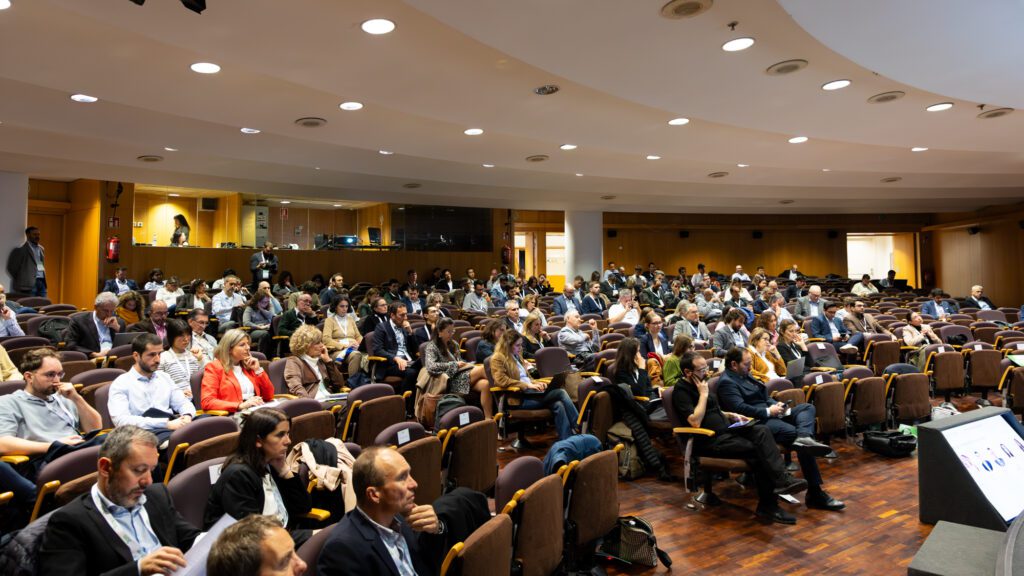
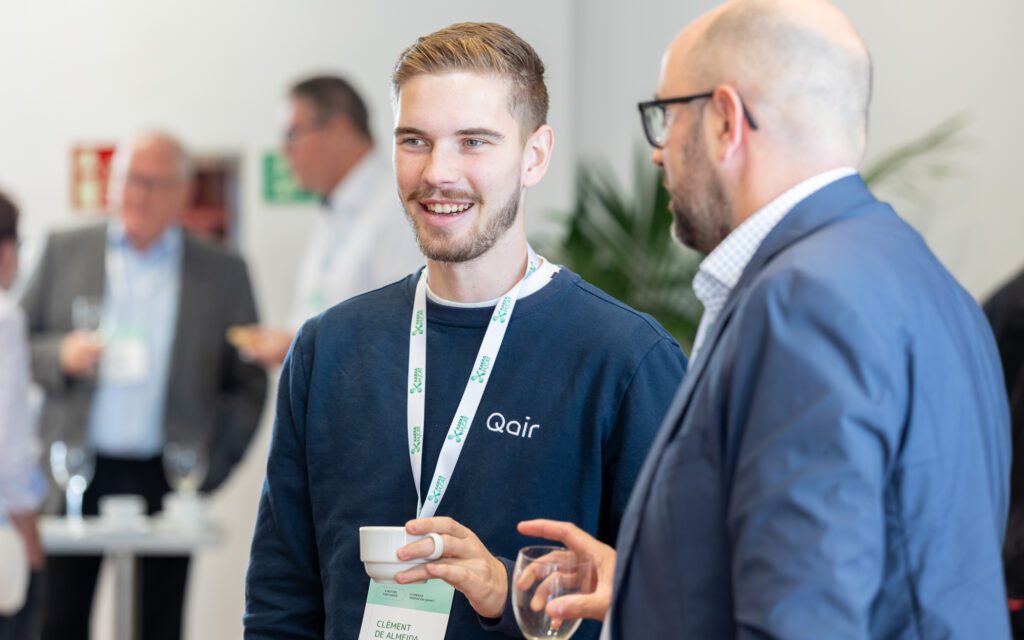
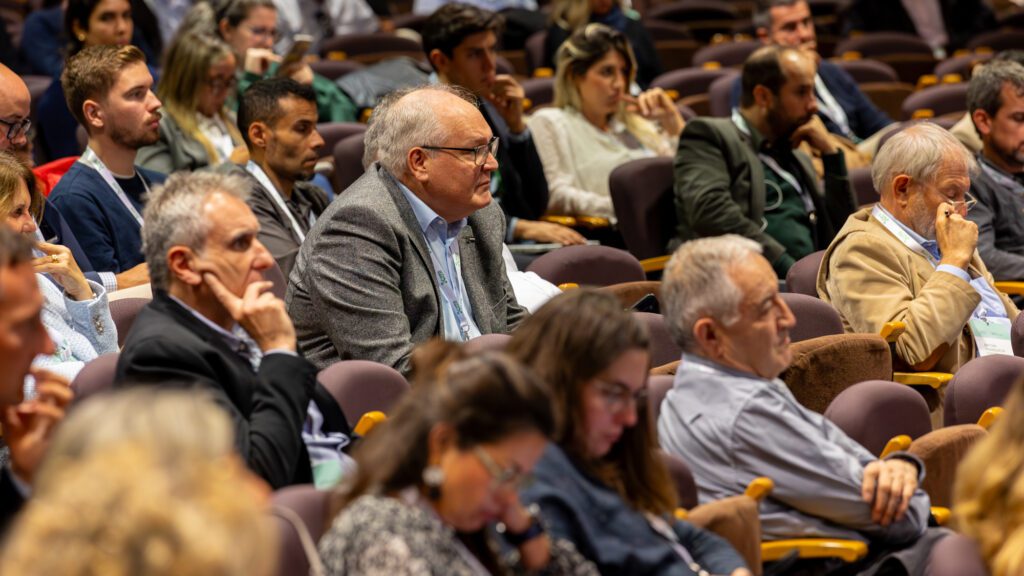
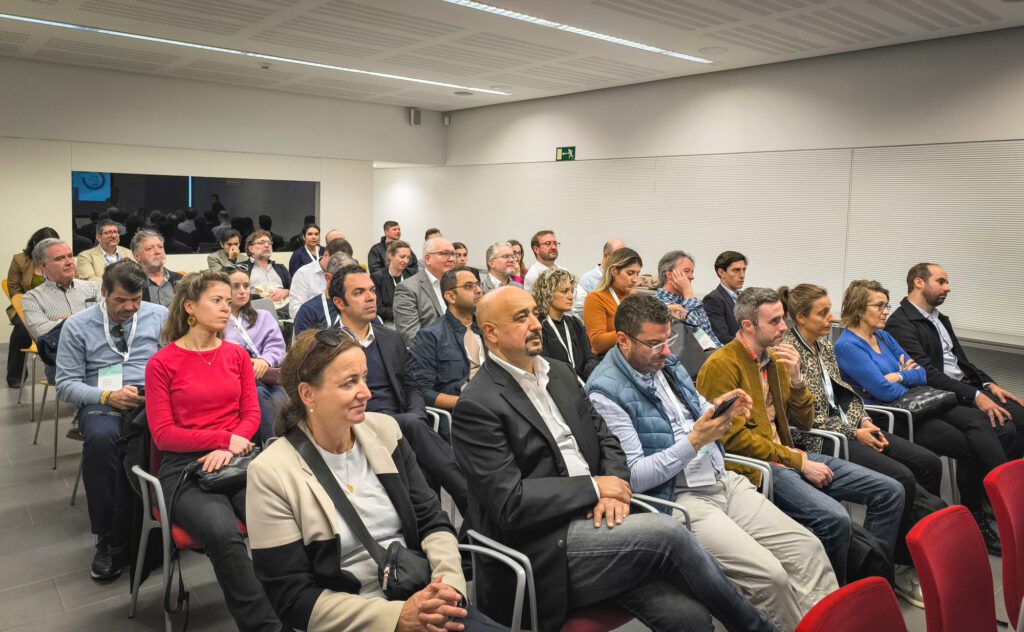
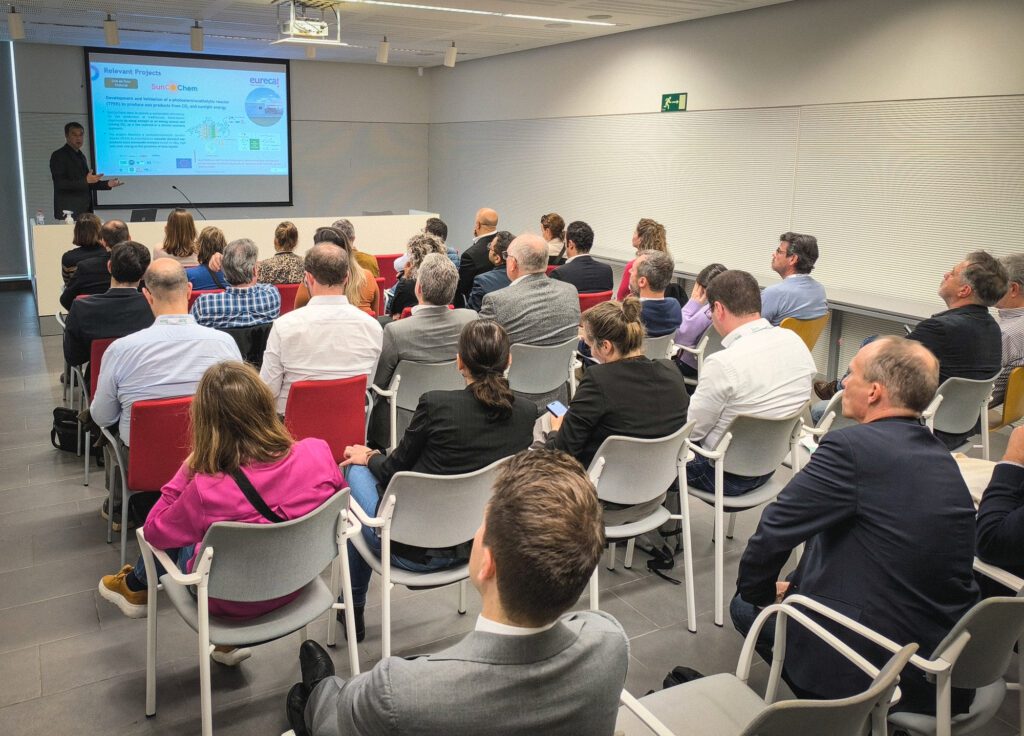
The event, which gathered over 200 participants at the World Trade Center Barcelona, marked a turning point for European collaboration on hydrogen among the four regions that make up the 4 Motors for Europe: Catalonia, Baden-Württemberg, Lombardy, and Auvergne-Rhône-Alpes.
Debate and cooperation between European ecosystems
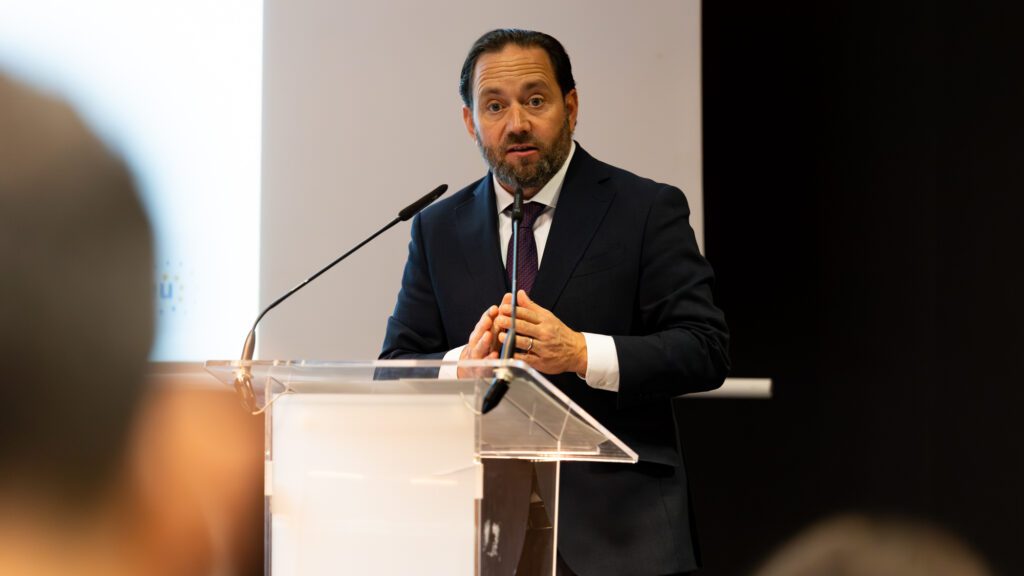
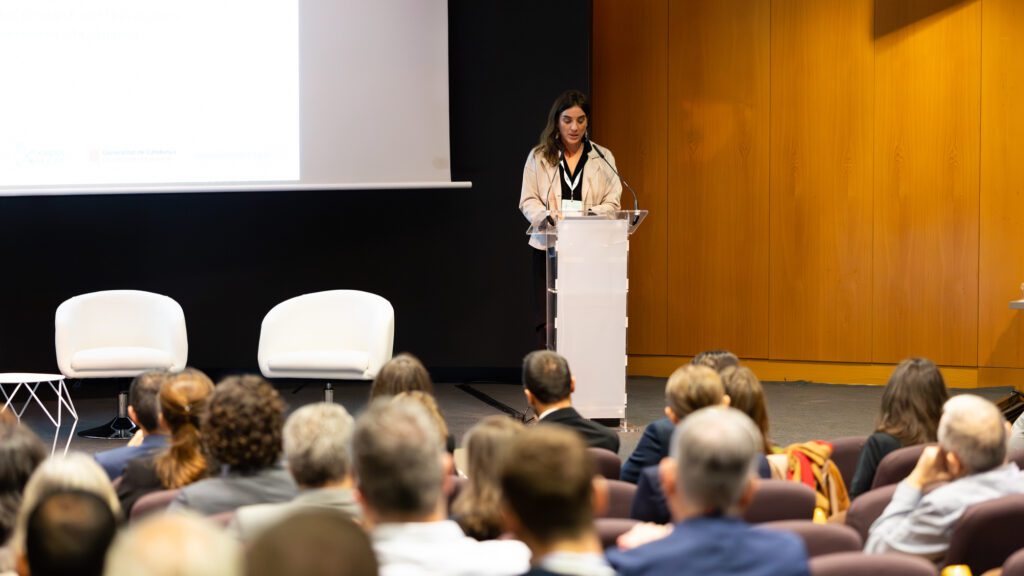
The opening session, conducted by Albert Royo, expert in European Affairs, began with welcome remarks from Antoine Le Roux, Deputy Director General in charge of economy, training, higher education, innovation and international affairs of the Région Auvergne-Rhône-Alpes; Florian Haßler, State Secretary for Political Coordination and Europe at the State Ministry of Baden-Württemberg; and Núria Montserrat, Minister for Research and Universities of the Government of Catalonia.
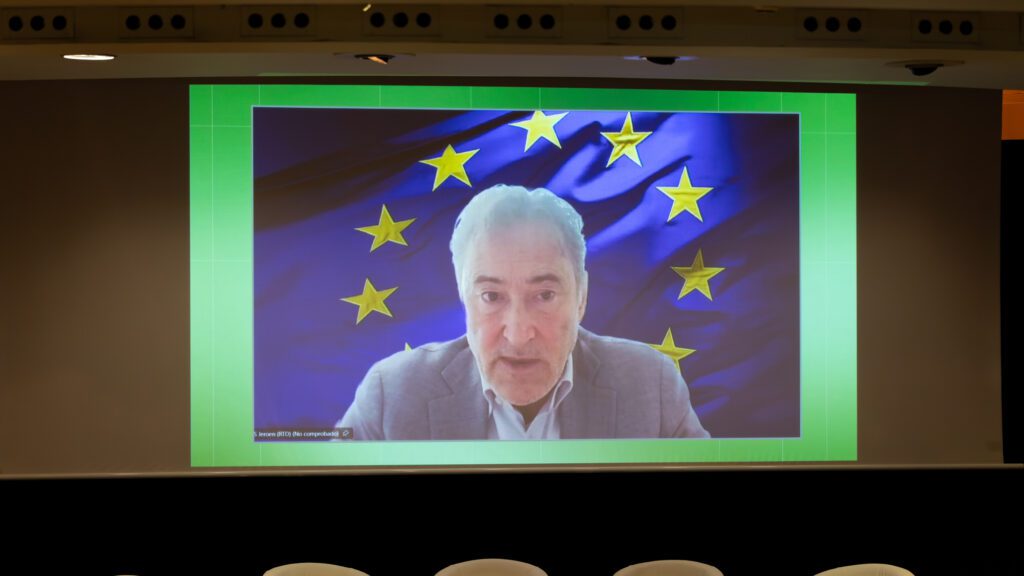
This was followed by a keynote speech from Jeroen Schuppers, Senior Expert in Clean Energy Transition at the European Commission (DG Research & Innovation), who underlined the importance of hydrogen valleys as essential ecosystems to scale up the European hydrogen economy.
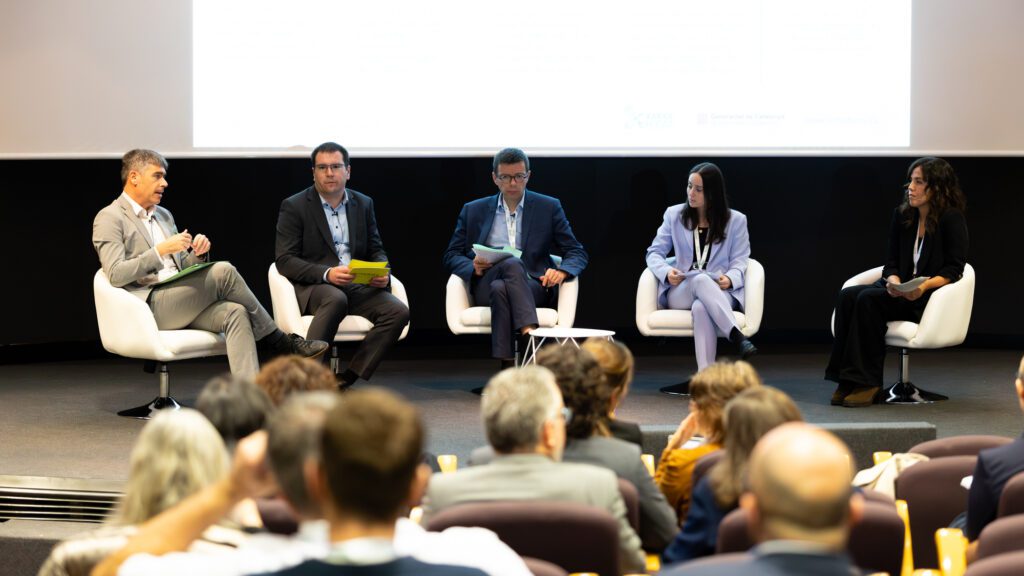
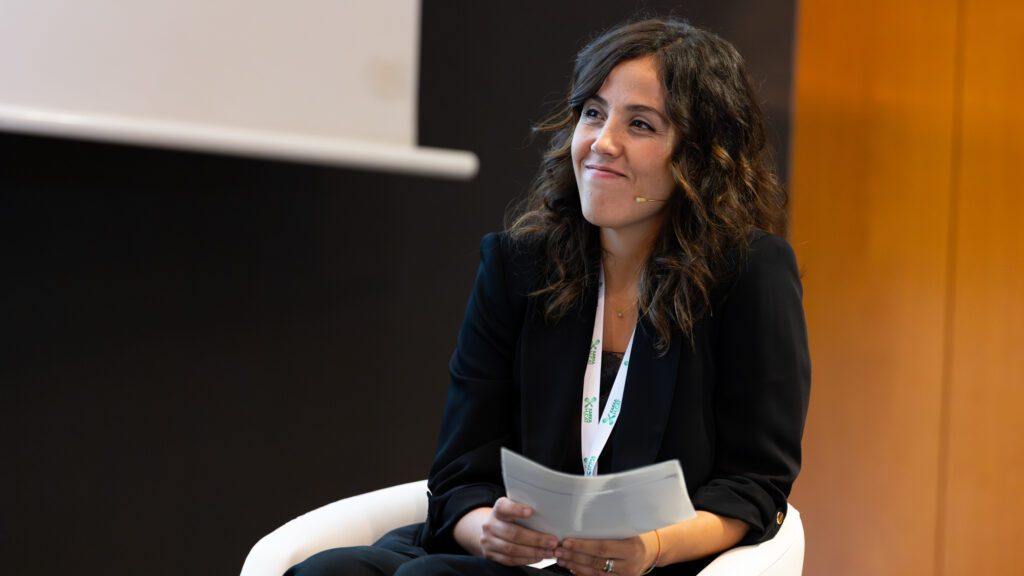
The first roundtable, Hydrogen Ecosystems of Each Region, brought together Albert Ballbé (ACCIÓ), Stefan Büchele (e-mobil BW, Baden-Württemberg), Antoine Le Roux (Région Auvergne-Rhône-Alpes) and Caterina Amoruso (Regione Lombardia), moderated by Miriam Díaz de los Bernardos, Director of the H2CAT network and Head of the Chemical Technologies Unit at Eurecat.
The discussion highlighted the need for cooperation between regions and countries, the development of projects across the entire hydrogen value chain, and the alignment of regulatory frameworks between European, national, and regional levels.
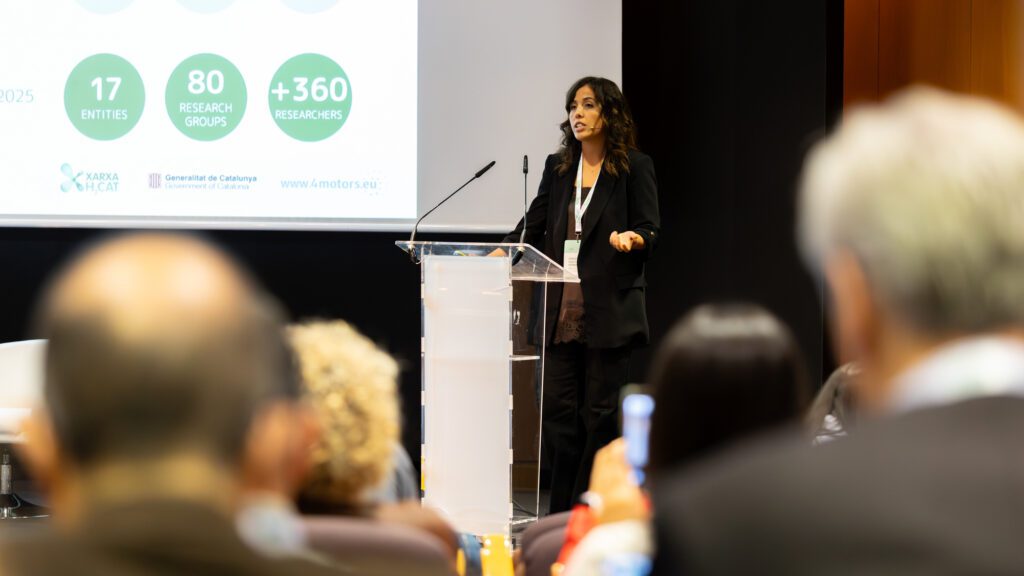
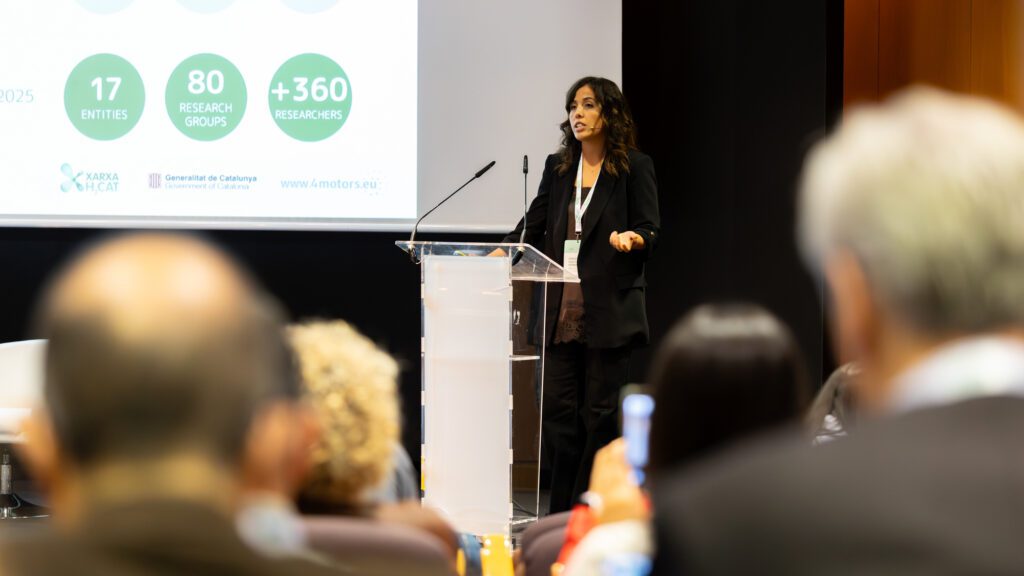
Next, Miriam Díaz de los Bernardos presented the H2CAT network, emphasizing the achievements and progress made over the past three years, and highlighting that the network now brings together 17 entities, 80 research groups, and more than 360 researchers.
Innovation and research at the heart of the debate
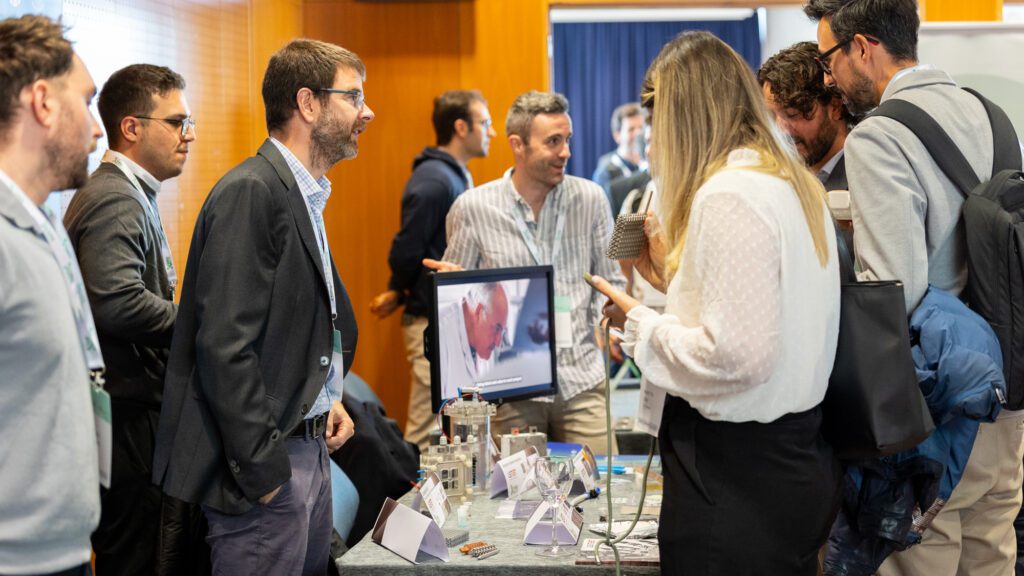
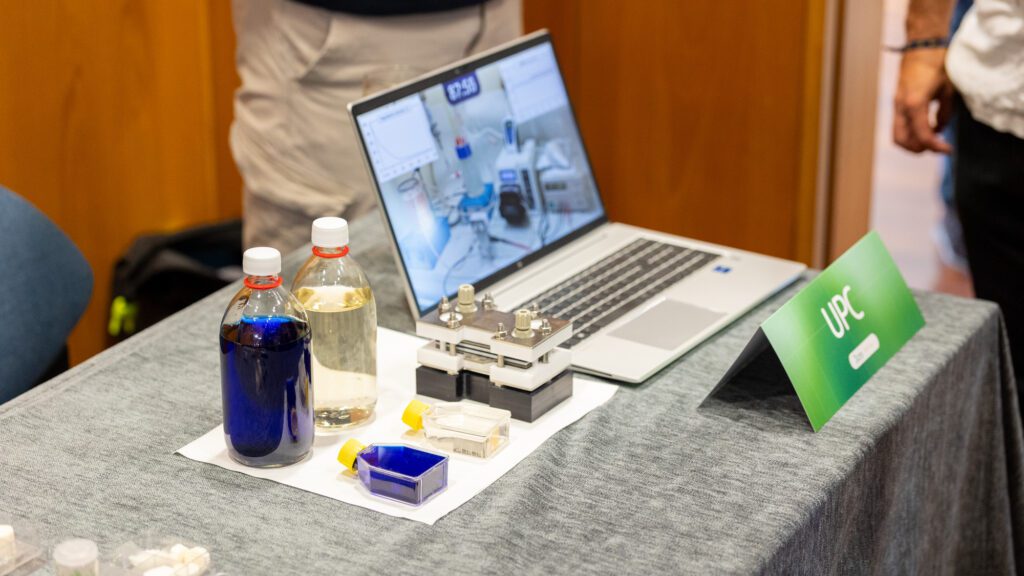
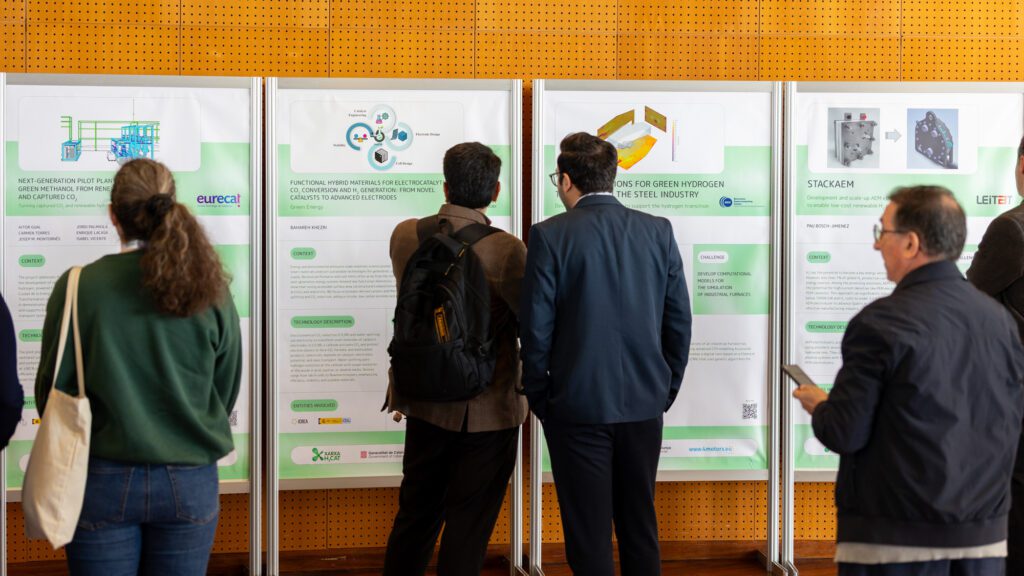
The Innovation Corridor and Demo Day, organized by H2CAT, filled the morning with energy and creativity through collaborative project posters and prototype demonstrations presented by researchers from the network. These spaces fostered new connections between companies, technology centers, and research institutions.
The second roundtable, R&I Challenges, featured researchers from the network Juande Sirvent (IREC), David Monreal (ICIQ), and Joaquim Rigola (CTTC-UPC), who also moderated the session, together with Sylvain Brimaud (ZSW, Baden-Württemberg) and Narciso Prieto (Atawey Hydrogen). The speakers analyzed the main technological challenges in renewable hydrogen production, storage, and utilization.
Later, Maurici Hervàs (Port of Barcelona) delivered an inspiring talk on the transformation of the Port into a green energy hub and a sustainable gateway for Europe.
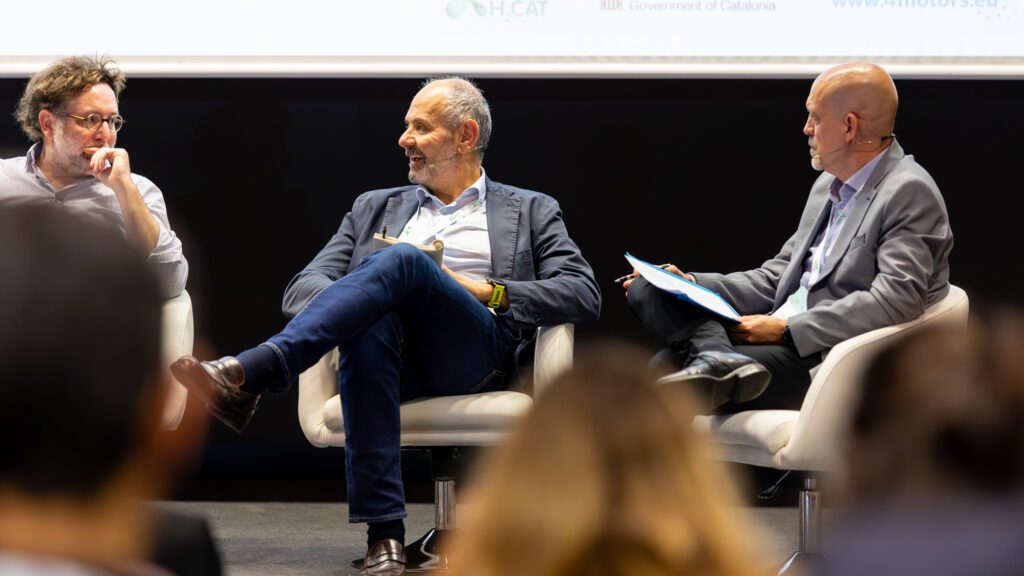
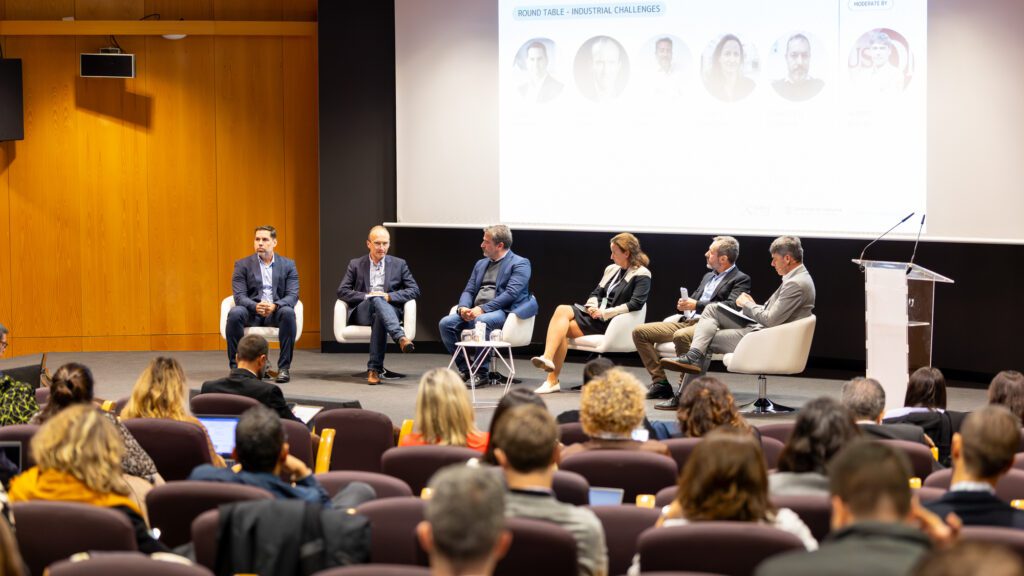
The third roundtable, Industrial Challenges, featured Juan Abascal (Repsol), Benoit Guerber (NaTran), Xavier Ribas (EVARM), Andrea Engelen (cellcentric GmbH & Co. KG), and Francesco Coviello (Regione Lombardia), moderated by Albert Ballbé (ACCIÓ). The discussion emphasized the need to standardize processes, boost infrastructure investment, and strengthen collaboration between research, SMEs, and large industry.
The closing session was led by Miquel Rovira, Director of the Sustainability Area at Eurecat, and Javier Selva, Director General for Knowledge Transfer and the Knowledge Society at the Department of Research and Universities, who underlined the importance of political coordination and investment to scale up technology and advance toward a decarbonized economy.
Visits and networking activities
The day concluded with technical visits to Transports Metropolitans de Barcelona (TMB) hydrogen refuelling station and hydrogen-powered buses, and to the Port of Barcelona, followed by a networking dinner at the iconic Hospital de Sant Pau.
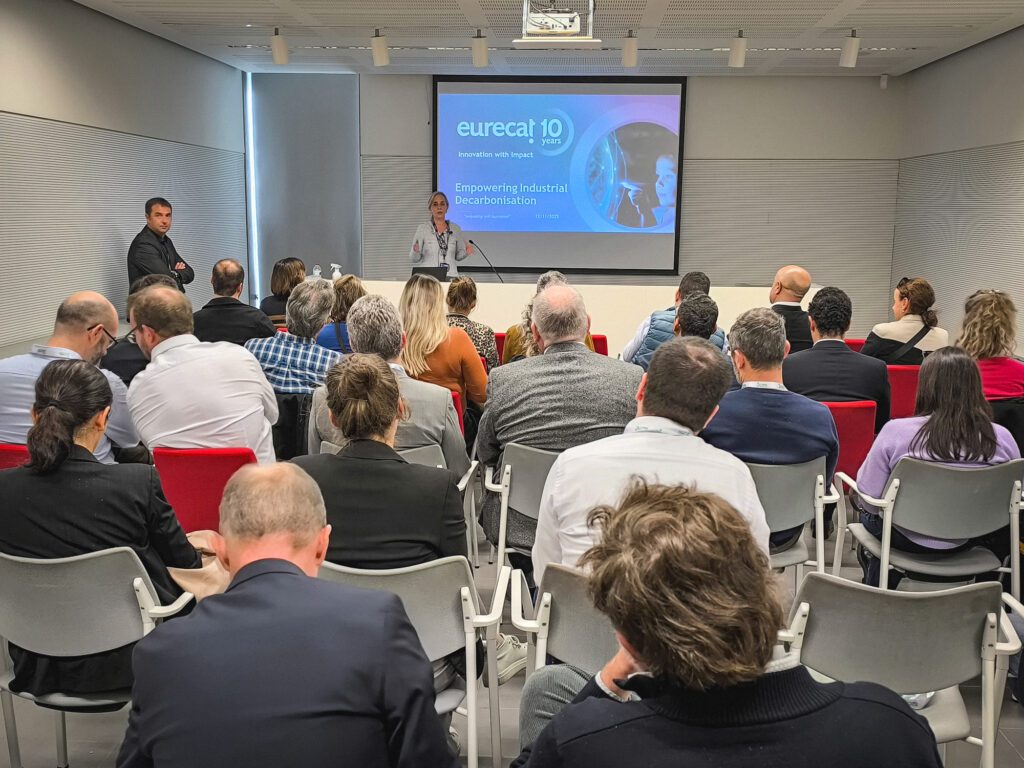
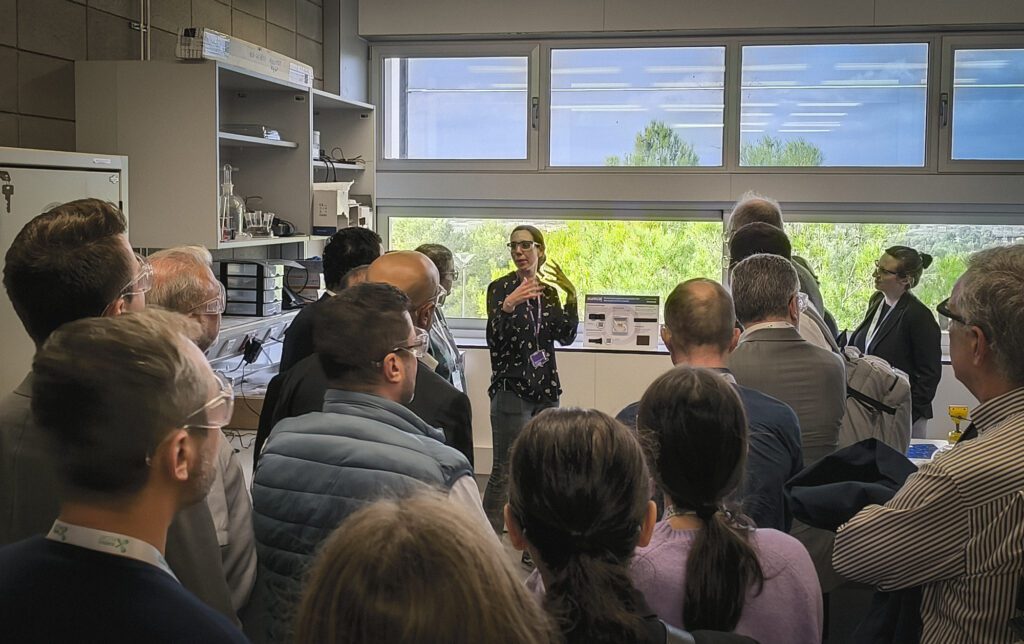
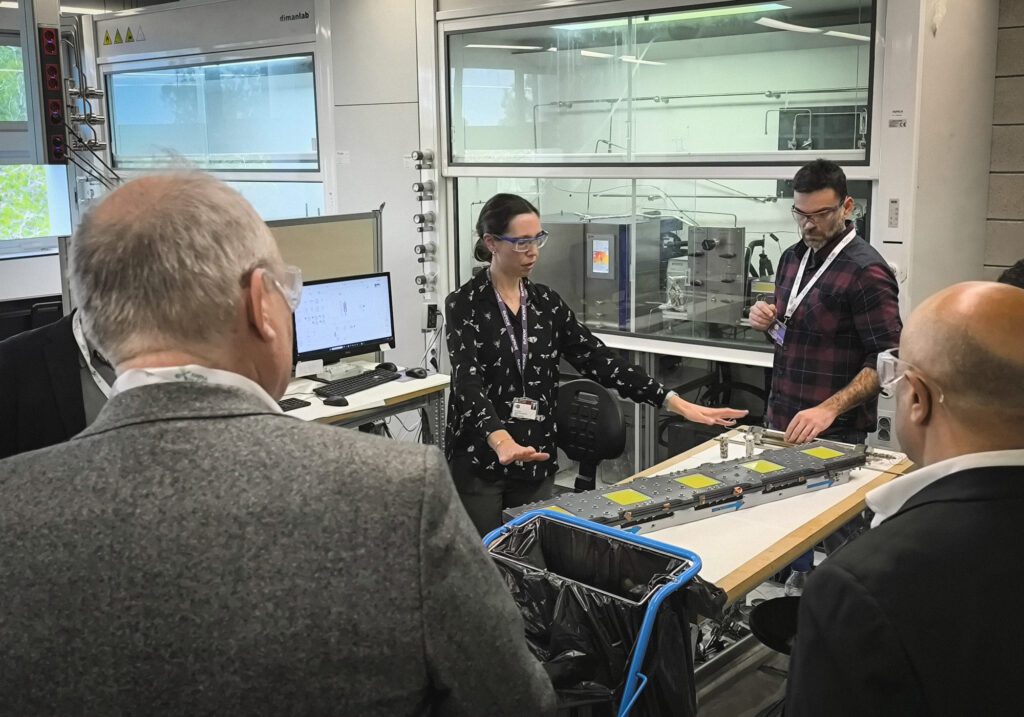
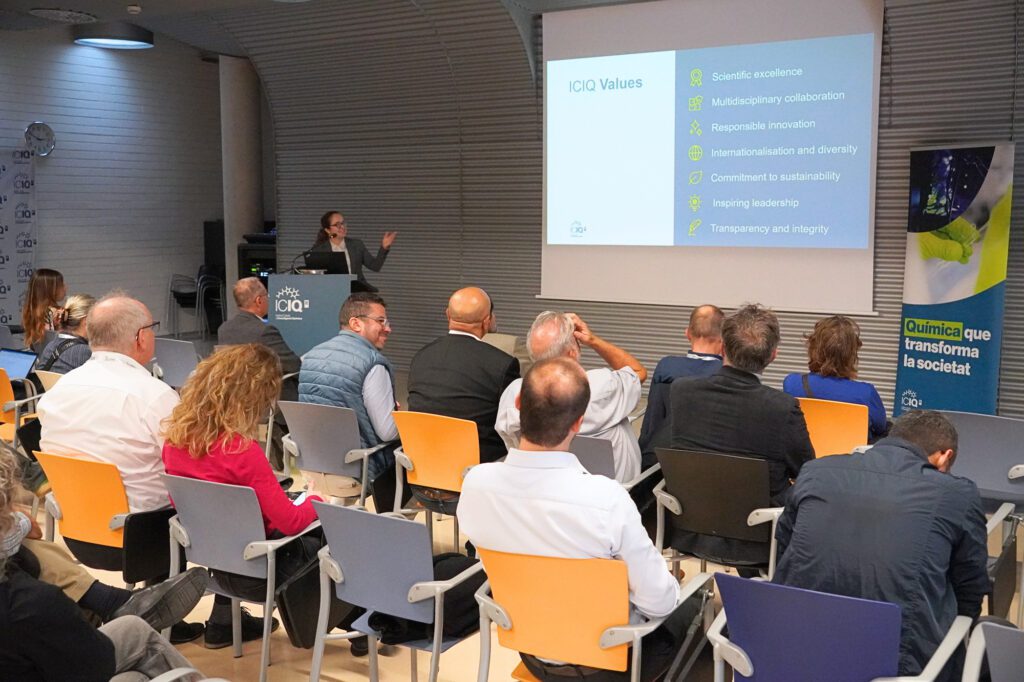
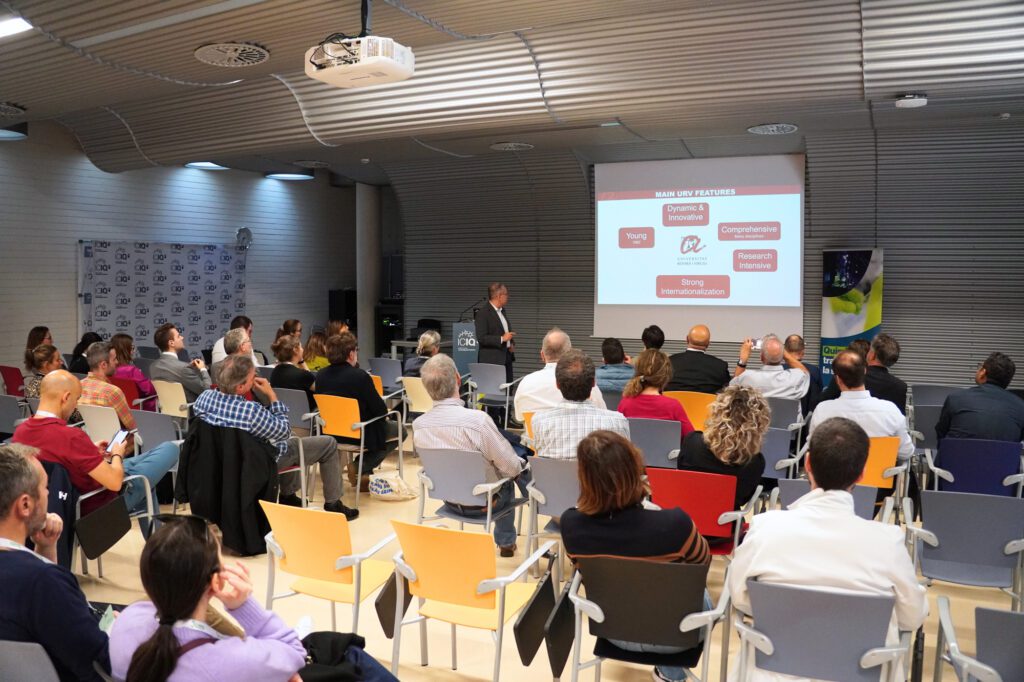
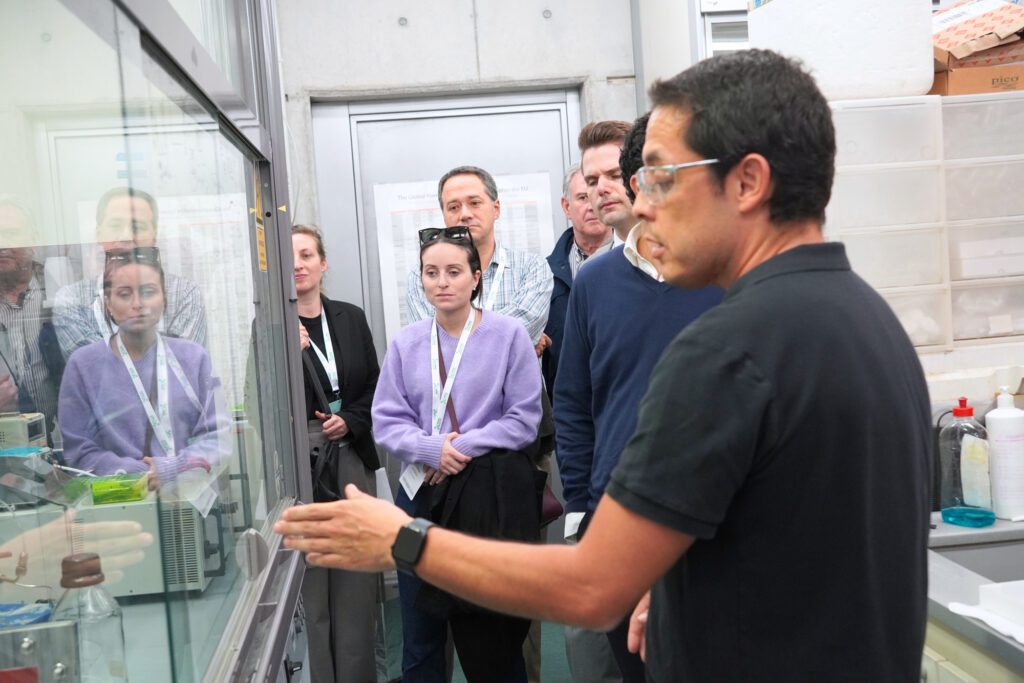
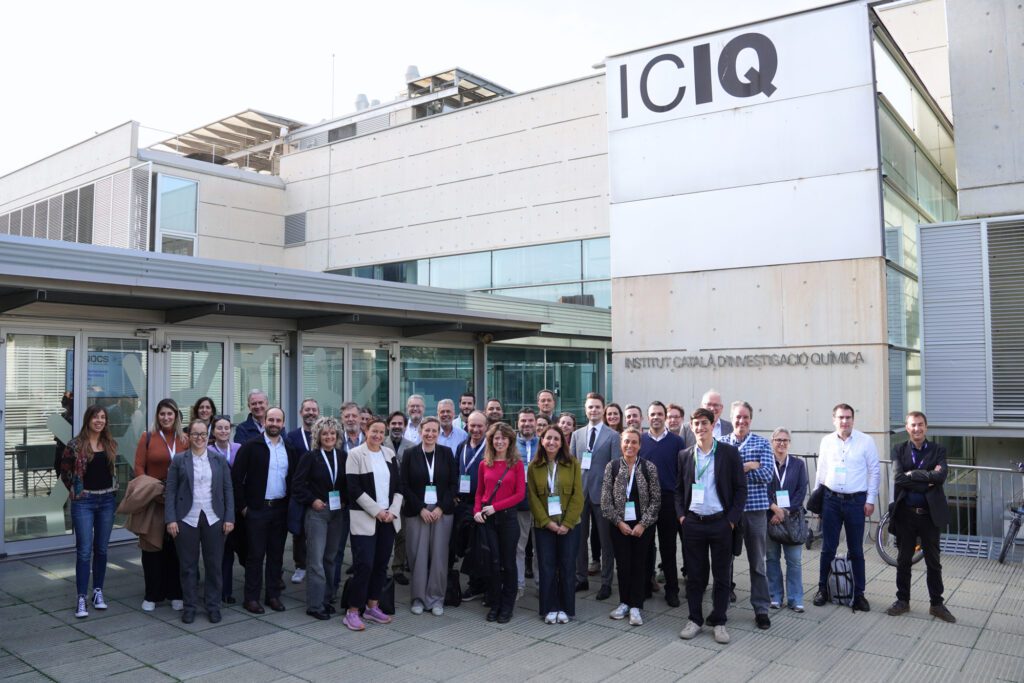
On November 13, the Summit moved to Tarragona, with visits to Repsol, the Institute of Chemical Research of Catalonia (ICIQ), the Rovira i Virgili University (URV), and Eurecat, where participants learned about outstanding projects in applied research and technology transfer in the field of hydrogen.
After two intense days of debate, collaboration, and discovery, the 4 Motors for Europe – Hydrogen Innovation Summit reaffirmed that the future of hydrogen will be built by sharing knowledge, talent, and a common vision.